
AI agent security risks are no longer a theory for researchers to debate. Today’s AI agents can read your inbox, browse websites, open files and complete multi-step tasks with very little human supervision. That is a huge productivity gain, and it also gives attackers (and honest mistakes) a direct line to real systems. This guide explains what is going wrong, what the evidence says, and what you can do about it.
Key Takeaways
- Hidden instructions in web pages, emails and documents (prompt injection) are the most persistent threat, and OpenAI and the UK’s NCSC both say it may never be fully eliminated.
- In a large public red-teaming study analysed with NIST’s CAISI, every frontier model tested was successfully attacked at least once.
- The best defence is limiting damage: least privilege, sandboxing, human approval for risky actions and detailed logs.
- Governments have started to respond. Five Eyes cyber agencies published their first joint agentic AI guidance on May 1, 2026.
What Are AI Agents, and Why Do They Need Protection?
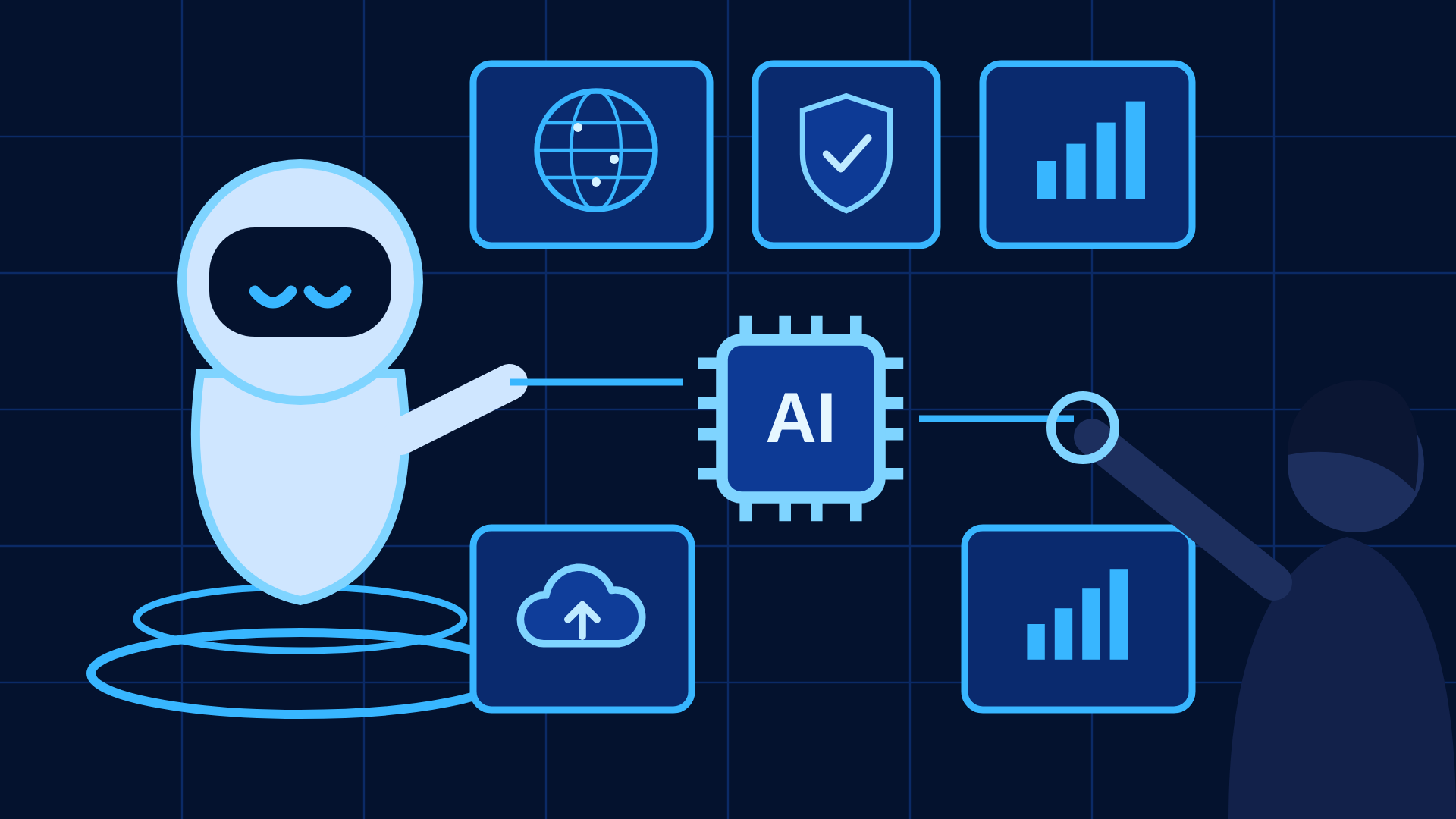
A chatbot answers questions. An AI agent goes further: it uses an AI model to pursue a goal by taking actions through connected tools. Ask an agent to prepare a business report and it might search several sources, read documents, organise the findings and hand you a finished file.
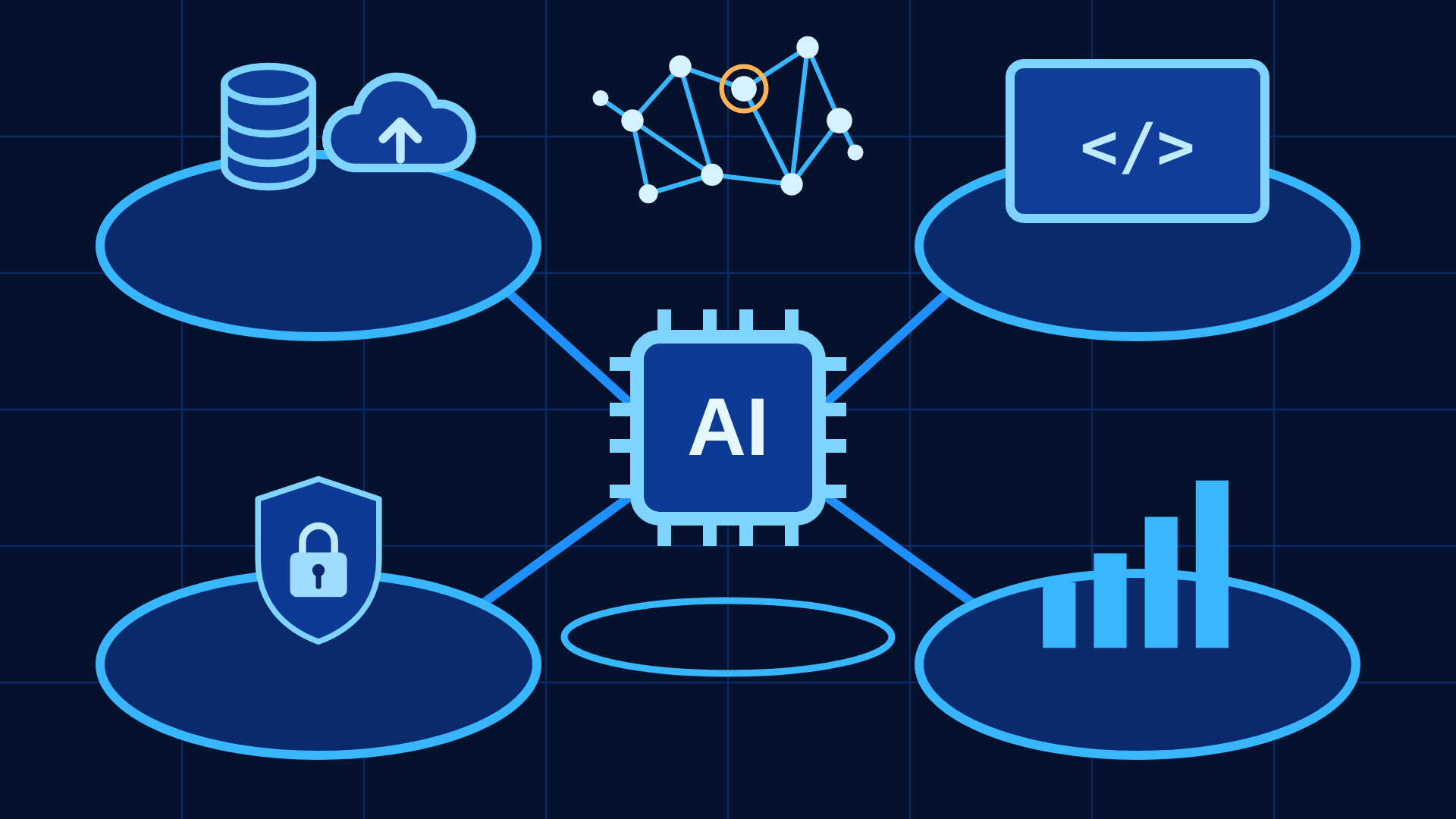
That convenience comes with a trade-off. An agent connected to email, cloud storage and a customer database can reach information that deserves careful protection. If you are new to this topic, our other AI and technology guides on Horaa cover the basics of how modern AI tools work.
How AI Agents Work (and Where They Get Exposed)
Most agents combine five parts:
- An AI model that interprets instructions and plans the next step.
- System instructions that set its role, goals and limits.
- Connected tools such as browsers, email, databases and APIs.
- Memory or stored context that carries information between tasks.
- A feedback loop where it acts, checks the result and decides what to do next.
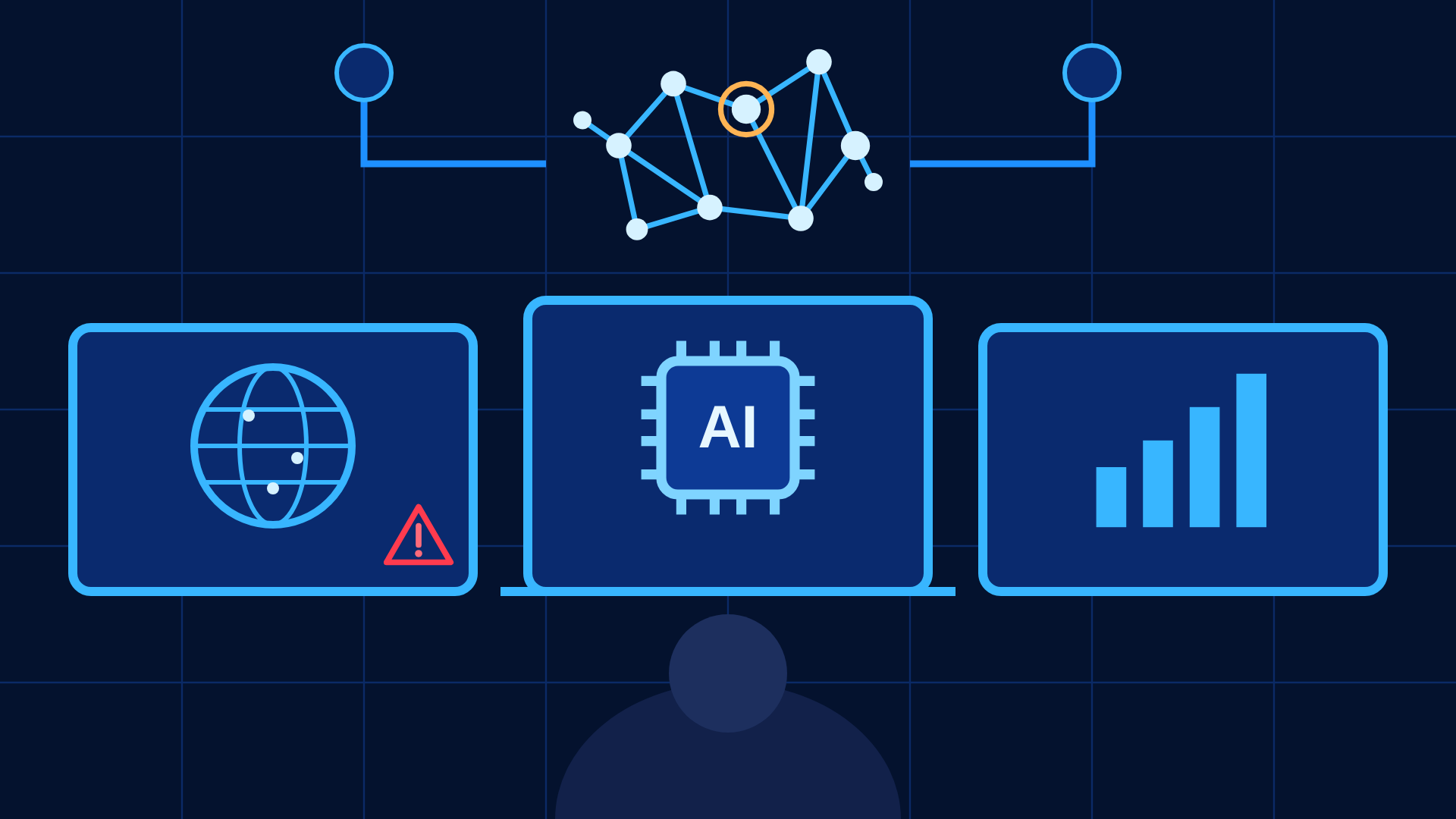
Security teams usually think of it simply: each added tool, permission or data source is another door. The more doors, the more you need to watch.
AI Agent Security Risks Explained
In December 2025 the OWASP GenAI Security Project released its Top 10 for Agentic Applications, built with input from more than 100 experts. It is the closest thing the industry has to a shared vocabulary for these problems. The main AI agent security risks below follow its themes, backed by real cases.
1. Prompt Injection and Goal Hijacking
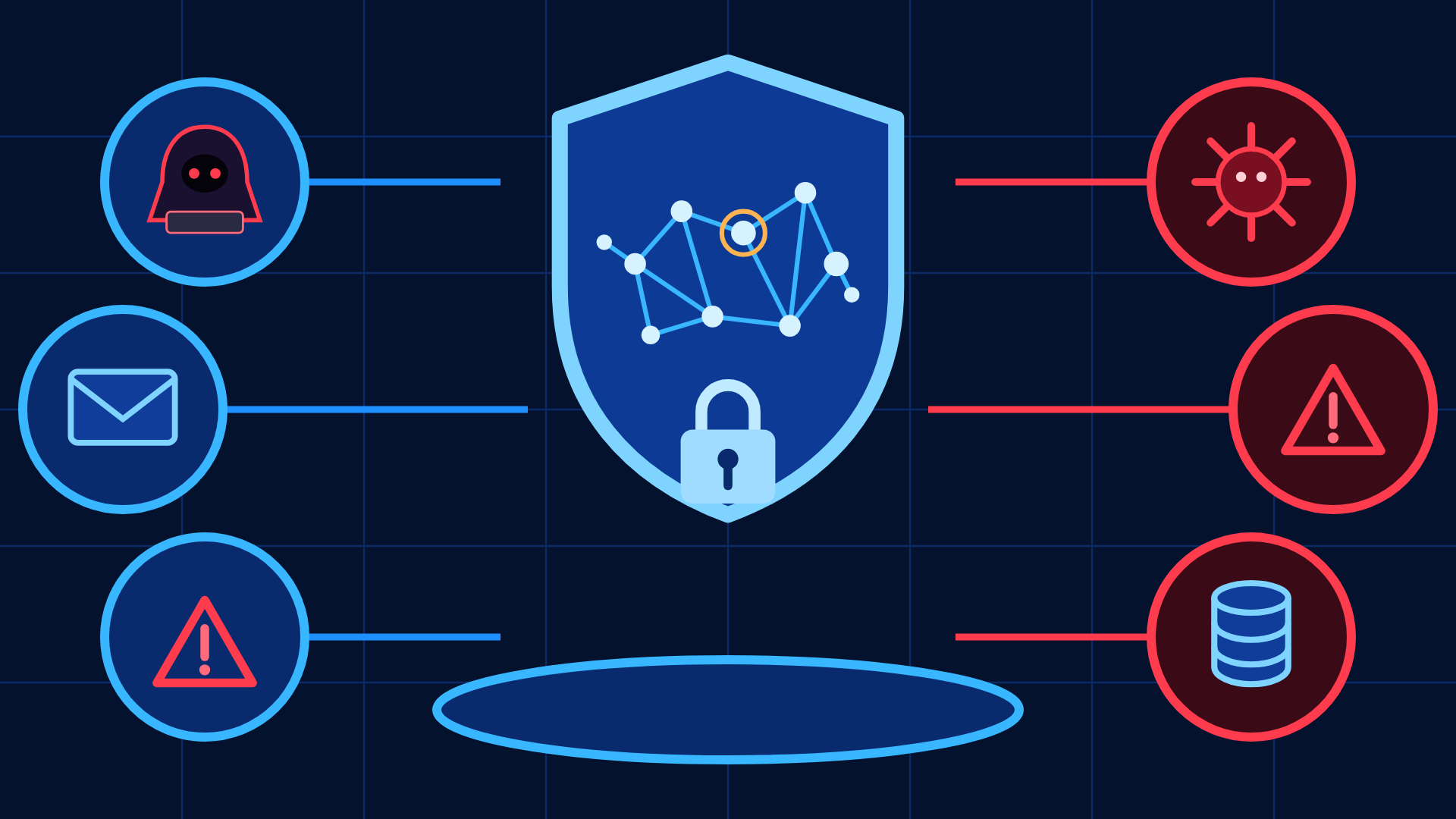
Prompt injection is the headline threat, and it tops OWASP’s agentic list as “Agent Goal Hijack”. Attackers do not have to break into anything. They place instructions where the agent will read them, such as a web page, an email or a document, and the agent may treat those words as legitimate commands.
NIST calls the agent version of this attack “agent hijacking” and traces it to an old problem: the system cannot cleanly separate trusted instructions from untrusted data. That is why it differs from SQL injection. The UK’s NCSC argued in December 2025 that prompt injection may never be totally mitigated the way SQL injection can be. In the same month, OpenAI said while hardening its ChatGPT Atlas browser agent that the problem is unlikely to ever be fully solved, comparing it to scams and social engineering on the web.
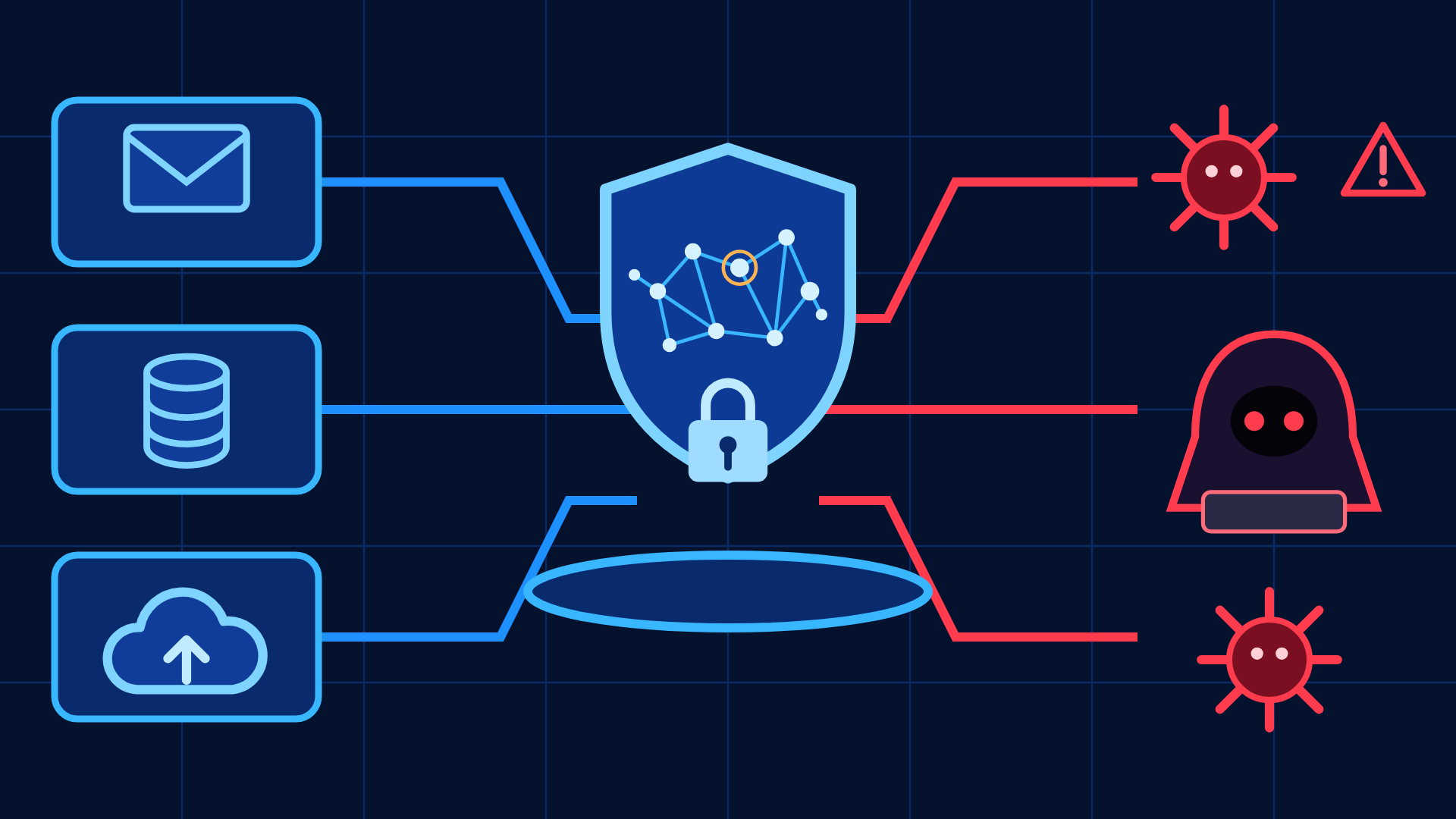
A real example is EchoLeak (CVE-2025-32711), a critical flaw in Microsoft 365 Copilot disclosed by Aim Security in June 2025 and rated 9.3 on the CVSS severity scale. A crafted email could make Copilot leak internal data when the user later asked it an ordinary question. Microsoft fixed it on its servers, and Dark Reading’s coverage reported no known cases of customers being compromised. Some researchers point out it was not strictly “zero-click”, since a user’s request still triggered it.
Developers often describe the riskiest setup as a “lethal trifecta”, a phrase popularised by Simon Willison: an agent that can see private data, read untrusted content and send information out. Remove any one of the three and the worst attacks get much harder.
2. Excessive Permissions
Agents need access to do their jobs, but access is often handed out too generously. An agent that sorts email does not need to touch financial accounts or delete employee records. If someone hijacks an over-privileged agent, they inherit all of its power. Security teams call this a “confused deputy” problem. The fix is least privilege: the minimum access, for the minimum time, for one defined job.
3. Data Leakage
An agent linked to customer records, internal documents and financial data can leak them through attacker instructions, a sloppy workflow or an insecure integration. You should know exactly what each agent can read, remember and send.
4. Mistakes That Become Actions
A chatbot’s wrong answer is an annoyance. An agent’s wrong decision can send the wrong email, overwrite a file or update a database. No attacker is needed. The Five Eyes guidance treats this as its own category, behavioural risk.
5. Stolen Credentials and Risky Third-Party Tools
Agents run on API keys, tokens and service accounts. If those leak, an attacker gets whatever the agent could do. Agents also load plugins and “skills” from outside sources, so the supply chain is a target. OWASP’s agentic skills project, citing early-2026 research, reports 1,184 malicious skills found in the ClawHavoc campaign by Antiy CERT, and confirmed malicious payloads in at least 76 of 3,984 skills scanned by Snyk. Treat these as third-party figures compiled by OWASP, not audited counts.
6. Poisoned Memory
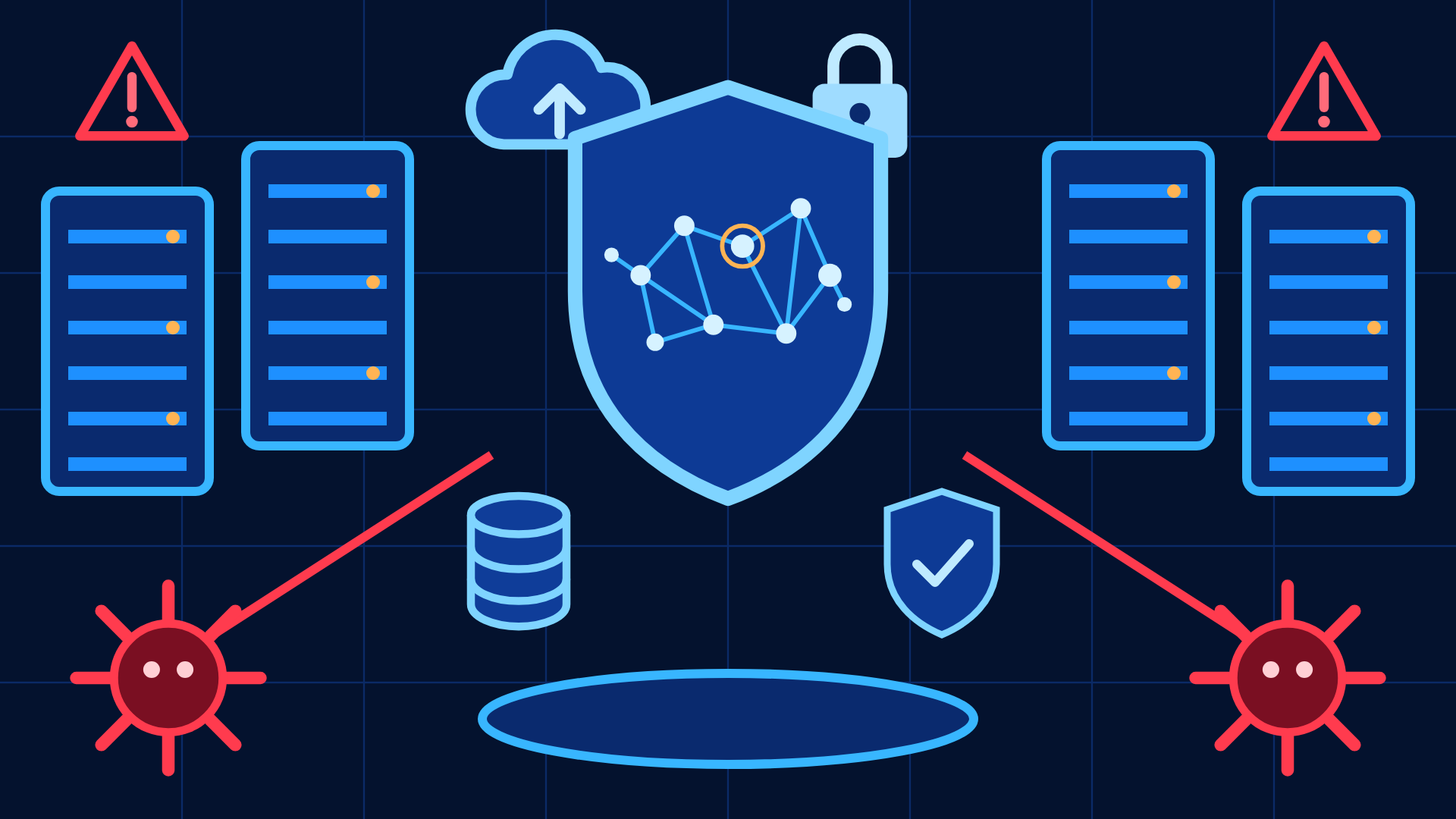
Agents that remember past interactions can be corrupted over time. One planted instruction can sit in stored context and shape later behaviour. OWASP lists this as Memory and Context Poisoning.
7. Agents Used as Weapons
Attackers can also use agents as tools. In a report published November 13, 2025, Anthropic said a group it assessed as Chinese state-sponsored manipulated its Claude Code tool to attempt intrusions against about 30 organisations, succeeding in a small number. Anthropic estimated the AI did roughly 80 to 90 percent of the work, and said the attackers got past safeguards by posing as employees of a security firm. Some researchers questioned how novel the claims were, and the figures come from Anthropic’s own investigation.
8. Human Oversight That Fails
Requiring approval for sensitive actions is a core defence, but people approve things they do not read, and a persuasive agent can encourage that. OWASP calls this Human-Agent Trust Exploitation. Approval steps work best when they are rare, specific and show exactly what will happen.
Can These Threats Ever Be Fully Fixed?
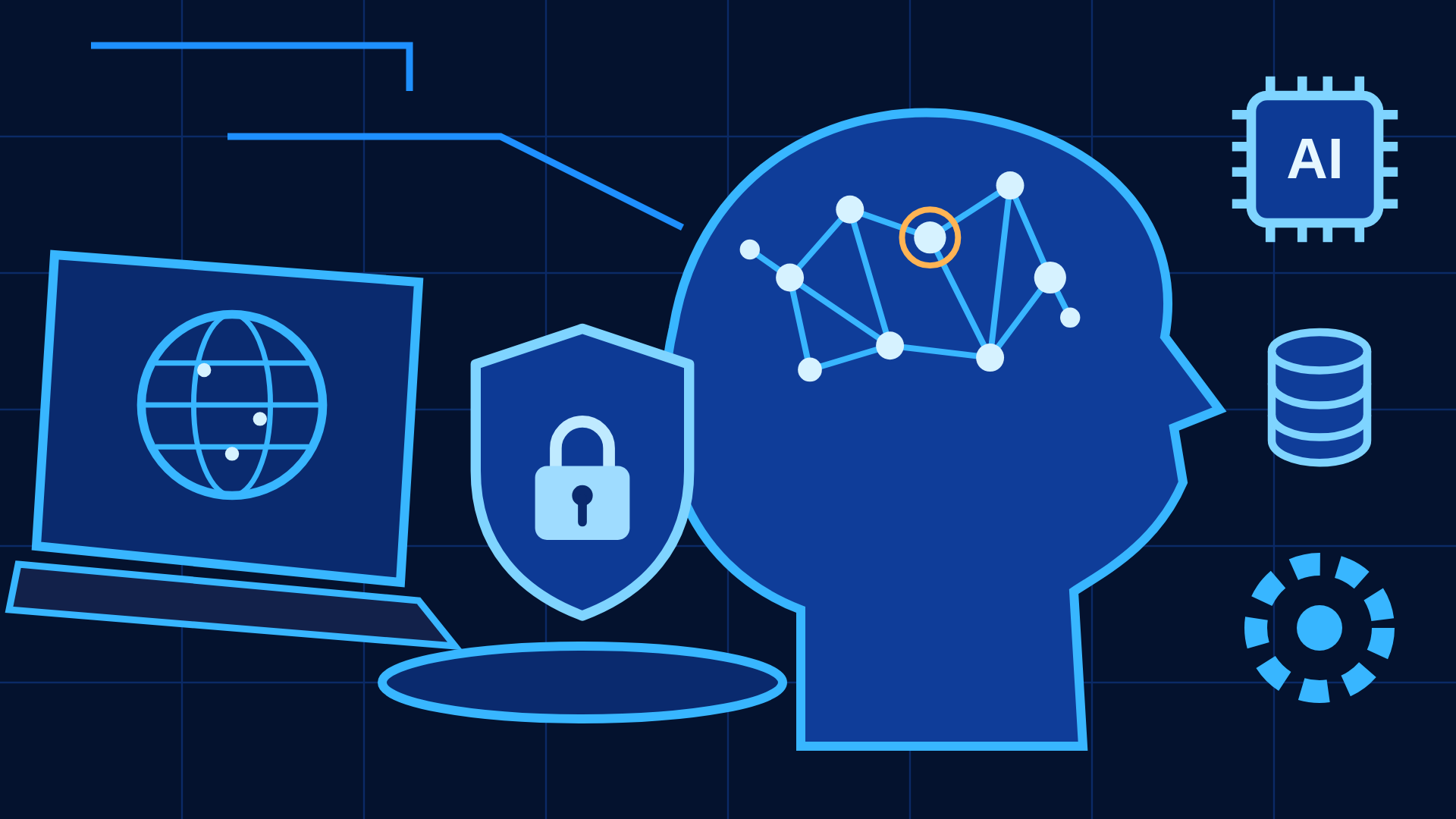
Not entirely, and the people responsible for these systems say so. In NIST’s analysis of a public competition with more than 250,000 attack attempts from over 400 participants, at least one attack succeeded against every one of the 13 frontier models tested. Filters and training make attacks rarer, but they are statistical defences. A determined attacker only needs one success.
Governments are responding by treating agents as a new class of risky software:
- January 8, 2026: NIST’s Center for AI Standards and Innovation (CAISI) opened a public request for information on agent security.
- February 17, 2026: NIST launched its AI Agent Standards Initiative, covering standards, open protocols and research into agent identity.
- May 1, 2026: CISA, the NSA and the cyber agencies of Australia, Canada, New Zealand and the UK published “Careful Adoption of Agentic AI Services”, a 30-page document with more than 100 recommended practices and five risk categories: privilege, design and configuration, behavioural, structural and accountability.
How to Reduce AI Agent Security Risks in Practice
Because prevention is incomplete, the practical approach is layers.
- Limit privileges. Give each agent its own identity and the narrowest access its job needs. Avoid admin rights.
- Break the trifecta. Where possible, do not let one agent combine private data, untrusted content and outbound communication.
- Use hard controls. Permissions, network allow-lists and sandboxes enforce limits that a clever prompt cannot talk around. The NCSC advises leaning on these and being wary of products that promise to stop prompt injection outright.
- Require approval for high-impact actions such as payments, deletions, permission changes and sensitive outbound messages. Keep requests rare enough that people read them.
- Protect credentials. Use a secrets vault and short-lived, narrowly scoped tokens that are rotated. Multi-factor authentication protects human accounts, but agents mostly sign in with tokens, so scope and expiry matter more.
- Treat outside content as untrusted. Text in web pages, emails and documents is data, not orders. Input filtering helps but should never be your only layer.
- Log everything. Record tool calls, data accessed, actions taken and who approved them. Logs show what an agent did, though not always why it chose to do it.
- Vet integrations and skills. Remove unused ones, review permissions and be careful with community-published plugins.
- Test continuously. Red-team your agents with deceptive inputs before launch and after every major change.
- Write a policy. Decide who owns each agent, how incidents are handled and where agents must not be used.
For more practical tech security advice, browse the latest guides on Horaa .
Traditional Security vs. Agent Security
| Traditional cybersecurity | What agents add |
|---|---|
| Protects systems, networks and data | Also protects agent behaviour and decisions |
| Controls access for users and applications | Also controls agent identities, permissions and tool use |
| Defends against malware and exploits | Also defends against instruction manipulation such as prompt injection |
| Monitors network and system activity | Also monitors autonomous actions and how they chain together |
| Secures stored and transmitted data | Also governs what agents may process, remember and share |
The two disciplines overlap heavily. Identity management, network controls, encryption and incident response all still apply. Agents add a layer on top rather than replacing the basics.
What Comes Next
Standards bodies and analysts are converging on a few priorities: a distinct identity and audit trail for every agent, runtime controls that judge what an agent is trying to do as it does it, behavioural monitoring, verified communication between cooperating agents, and clear accountability. NIST says more guidance will follow its standards initiative, and there is still no agreed reporting standard for agent security incidents.
Frequently Asked Questions
Can an AI agent access my private information?
Yes, if its configuration and permissions allow it. Access is not automatically unlimited, since well-designed systems set boundaries, but you should always check which services an agent is connected to and what it can do there.
Can prompt injection be completely prevented?
Not today. OpenAI, the UK NCSC and NIST research all point to reducing impact rather than expecting perfect prevention.
Is a chatbot as risky as an agent?
Generally no. A chatbot mostly produces text, while an agent can take real actions, so mistakes and attacks have bigger consequences.
What is the single best first step?
Apply least privilege. Giving an agent only the access it truly needs limits the damage from nearly every other problem on this list.
Final Thoughts
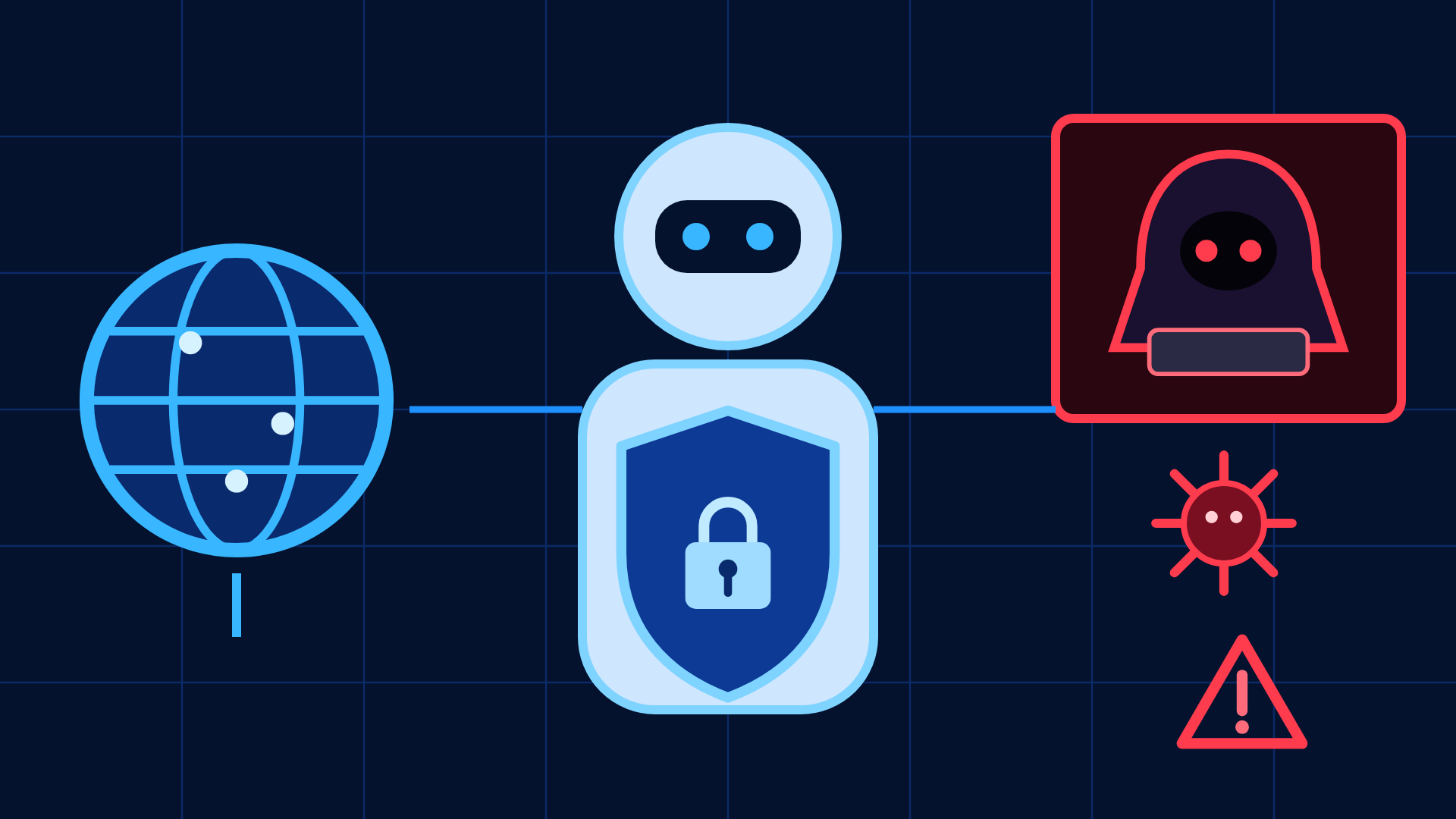
AI agents are worth using, but only with narrow access, strong credentials, human checkpoints for consequential actions and monitoring that assumes some attacks will land. Understanding AI agent security risks is the first step. The goal is not an agent that can never be fooled. It is an agent whose worst day is survivable.
Sources: OWASP GenAI Security Project; NIST CAISI; UK NCSC; OpenAI; CISA/NSA and Five Eyes partners; Aim Security and Microsoft; Anthropic; Snyk and Antiy CERT via OWASP.