
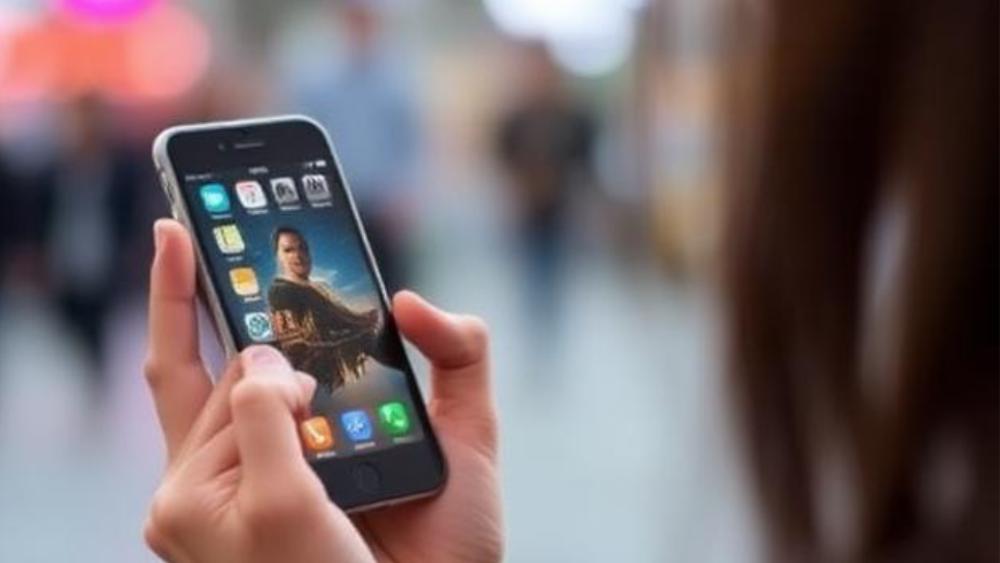
Mobile phone changes in your body
Discover how excessive mobile phone use can affect your neck, eyes, posture, grip strength, and overall health, plus simple tips to reduce the risks. If you’re reading this news, chances are you’re looking at your mobile phone with your head bent forward. This can put up to 27 kilograms of pressure on your neck. 27 kilograms is approximately the weight of a healthy child aged 7 to 10 years.
Bending your head and neck to look at your phone is called forward head posture. Over time, it can damage your spinal discs, weaken your muscles and joints, and impact lung function. Furthermore, it can permanently alter your body structure.
Specific exercises, as advised by a doctor, can provide relief from this problem. However, only your doctor can determine which exercises are right for you. However, you can make some simple changes starting today.
Whenever you look at your mobile phone, hold it slightly elevated so that the screen is at eye level. The phone should be approximately an arm’s length away from your face. The same applies to computer monitors.
Some experts believe that it’s crucial to take frequent breaks. We often worry about the impact mobile screens are having on our brains. A few days ago, a doctor friend of mine advised me to reduce my mobile phone use. Following his advice, I came across an article on BBC Future, written by Thomas German.
In his article, he explains that scientists are trying to understand how mobile phones and other digital devices are affecting our body structure. The shape of our necks is changing, our eyes are being affected, hand movements are changing, and our grip may weaken. Some experts also believe that increasing dependence on technology may lead to earlier appearance of wrinkles on the face. It’s a matter of concern that in the future, this could also impact our memory and thinking abilities.
Recently, a new concern has emerged regarding whether technology is causing neck wrinkles. According to Dr. Justine Hector, a dermatologist and fellow of the Royal College of Physicians of Britain, repeatedly bending your neck puts pressure on the skin, which can lead to wrinkles. However, she says that no robust scientific research has yet confirmed this. She also doesn’t recommend purchasing any specific skin products sold online.
Other screen-related problems are also a concern, especially for those who constantly wear smartwatches. According to Dr. Hector, the dark and moist area under the watch is conducive to yeast (fungal infections), which can cause skin irritation or eczema. A simple solution is to remove the smartwatch frequently and keep your skin clean.
If you can see nearby objects clearly but have difficulty seeing distant objects, this could be a sign of myopia (nearsightedness). The incidence of myopia has increased rapidly in the last few decades. According to Donald Muti, an optometry professor at the State University of California, Berkeley, one reason for this could be our changing lifestyle.
He says the problem isn’t just a problem with nearsightedness, but also with spending more time indoors. It’s believed that bright natural light outside increases dopamine levels in the retina, which contributes to healthy eye development. Therefore, experts recommend spending some time outdoors every day. This not only benefits the eyes but also improves sleep.
Grip strength, the ability to hold an object firmly, is also considered an important indicator of good health. According to some studies, grip strength can, in many cases, be a better indicator of future health than blood pressure. In many countries, grip strength is steadily declining among young people.
Experts say this isn’t just a sign of hand weakness, but it could also be a warning sign for future health. Therefore, exercise regularly, go to the gym, and engage in activities that strengthen the entire body.
Technology can also affect our motor skills—the coordination between body and mind. Research shows a link between excessive screen time and poor motor skills, especially in children.
Experts recommend spending time engaging in activities that involve a lot of hands-on activity, such as cooking, carpentry, drawing, or handwriting. This keeps both body and mind active.
Experts say this isn’t the end of the world, but these small changes can impact the health of future generations. So, whether it’s sunny, shady, or rainy—spend some time outside every day and try to stay away from your mobile phone for a while.